Endometriosis affects roughly 1 in 10 women of reproductive age, yet it takes an average of seven to ten years to diagnose. By the time many women arrive at a fertility clinic, they are not just dealing with the emotional weight of trying to conceive — they are also managing a condition that has quietly disrupted their reproductive anatomy for years. If you have endometriosis and are considering IVF, the most important thing to know is this: IVF can and does work for women with endometriosis. But it requires a specialist who understands the condition deeply and plans accordingly.
Key Takeaways
- Endometriosis affects fertility in multiple ways: Inflammation, scar tissue, and ovarian cysts (endometriomas) can all reduce egg quality and implantation.
- IVF bypasses several of the barriers endometriosis creates: It overcomes tubal damage and poor sperm-egg interaction in the pelvic environment.
- Endometriomas need careful management: Whether to surgically remove ovarian cysts before IVF is a nuanced decision that should be made on a case-by-case basis.
- Success is achievable: With the right protocol, women with endometriosis achieve IVF success rates comparable to those without the condition in many cases.
How Does Endometriosis Affect Fertility?
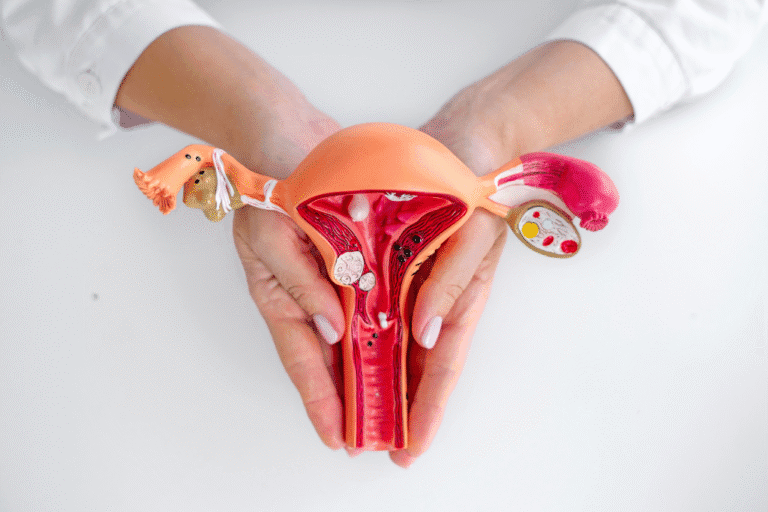
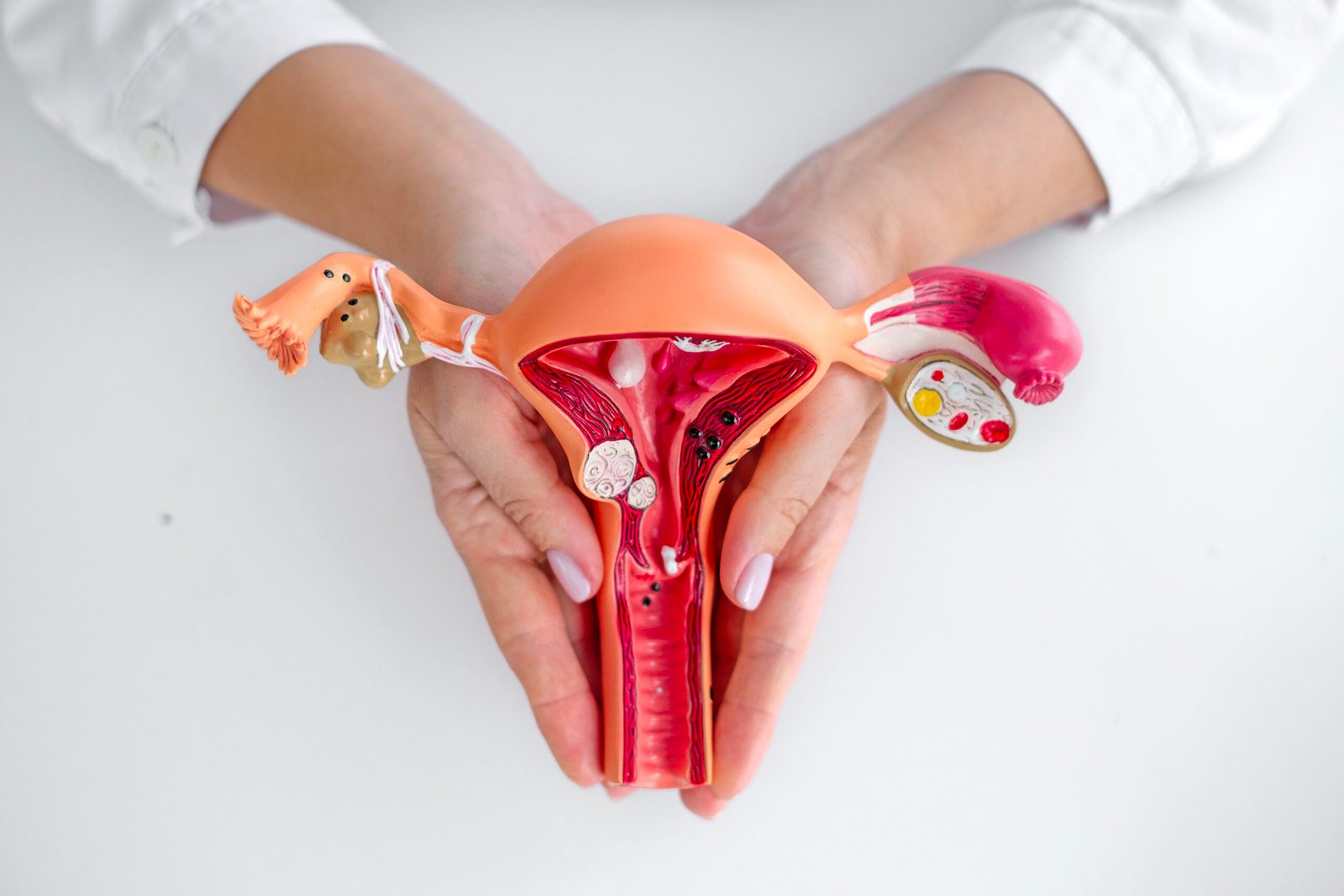
Endometriosis occurs when tissue similar to the uterine lining grows outside the uterus — on the ovaries, fallopian tubes, bladder, or bowel. This misplaced tissue responds to the menstrual cycle, bleeding and building up with nowhere to go. Over time, this causes inflammation, adhesions (scar tissue), and, in many cases, ovarian cysts called endometriomas — also known as chocolate cysts because of their dark, old blood contents.
The impact on fertility is multi-layered. Adhesions can distort the anatomy of the pelvis, blocking or damaging the fallopian tubes. Inflammation creates a hostile environment for eggs, sperm, and embryos. Endometriomas sitting on or within the ovary can damage the surrounding ovarian tissue, directly reducing egg quantity and quality over time. Additionally, some women with endometriosis have an altered uterine lining that may resist implantation even when a healthy embryo is transferred.
This is not a simple diagnosis, and it should not receive a simple response. At Yellow IVF, our approach begins with a thorough understanding of the stage and location of your endometriosis before a single treatment decision is made.
Why IVF Is Often Recommended for Endometriosis
For women with moderate to severe endometriosis, IVF offers several advantages over waiting or less intensive treatments:
- It bypasses the fallopian tubes entirely: Fertilisation happens in the lab, so even if the tubes are blocked or damaged by adhesions, conception is still possible.
- It controls the environment: Stimulation and retrieval happen under clinical conditions, removing the eggs from the inflammatory pelvic environment during the critical fertilisation window.
- It allows for embryo selection: Embryos are assessed before transfer, improving the chances that the best quality embryo reaches the uterus.
- Frozen embryo transfer can optimise implantation: By freezing all embryos and transferring in a subsequent, hormone-settled cycle, the uterine lining has time to recover from stimulation and any residual inflammation.
The Endometrioma Question: Should Cysts Be Removed Before IVF?
This is one of the most debated topics in reproductive medicine for women with endometriosis. Endometriomas can be clearly visible on ultrasound and may feel like an obvious first step to remove. However, the evidence is more nuanced.
Arguments for removing endometriomas before IVF:
- Large cysts (above 4 cm) may physically impede access to follicles during egg retrieval.
- There is a small risk of cyst rupture or infection if aspirated inadvertently during retrieval.
- Surgery may improve access to healthy follicles and reduce inflammatory fluid around the ovary.
Arguments against immediate surgery:
- Ovarian surgery — even when performed carefully — damages the surrounding healthy ovarian tissue, which can permanently reduce your egg reserve.
- For women with already low AMH or reduced ovarian reserve, removing an endometrioma may do more harm than the cyst itself.
- Recurrence rates for endometriomas after surgery are high; the cyst may return before IVF is completed.
The current consensus from ESHRE (the European Society of Human Reproduction and Embryology) is that surgery for endometriomas should not be routine before IVF, particularly for women with diminished ovarian reserve. Your Yellow IVF doctor will assess cyst size, symptoms, your ovarian reserve, and your history before advising either way. This is genuinely a case-by-case decision.
What IVF Protocol Works Best for Endometriosis?
Women with endometriosis often benefit from a long down-regulation protocol (also called the long GnRH agonist protocol). This involves suppressing the body’s natural hormonal cycle for several weeks before stimulation begins. The rationale is that prolonged suppression reduces active endometriotic lesions and creates a more favourable environment for follicle development and egg quality.
“I had Stage III endometriosis and two endometriomas. Every doctor I saw was focused on whether to operate first. The team at Yellow IVF took a different approach — they put me on a long protocol, monitored closely, and we retrieved 7 eggs. Four fertilised. One perfect blastocyst. She arrived nine months later.” — Meera, 33, Delhi.
For women with very advanced disease or recurrent implantation failure, additional investigations such as an Endometrial Receptivity Test (ERA) may be recommended to ensure the embryo is transferred at the optimal window of implantation.
Managing Risks During IVF with Endometriosis
There are specific risks to be aware of and managed during an IVF cycle when endometriosis is present:
- Ovarian Hyperstimulation Syndrome (OHSS): Although not exclusive to endometriosis, careful stimulation monitoring is essential.
- Pelvic infection post-retrieval: If an endometrioma is inadvertently punctured during egg retrieval, there is a small risk of infection. Prophylactic antibiotics are routinely prescribed.
- Implantation failure: Some women with endometriosis have altered uterine receptivity. Frozen embryo transfer, ERA testing, and uterine investigation (such as hysteroscopy) can help identify and address this.
| Endometriosis Stage | Impact on IVF | Common Approach |
|---|---|---|
| Stage I–II (Minimal/Mild) | Mild inflammatory effect | Standard or long protocol IVF |
| Stage III (Moderate) | Endometriomas possible, tubal risk | Long protocol, cyst management decision |
| Stage IV (Severe) | Significant adhesions, poor reserve risk | Long protocol, FET, ERA consideration |
Conclusion: Endometriosis Is a Challenge, Not a Dead End
Living with endometriosis and trying to build a family is one of the more demanding combinations in reproductive medicine. But it is not a closed door. With the right clinical team, a protocol designed around your specific presentation, and a realistic but hopeful outlook, IVF with endometriosis has helped thousands of women across India become mothers.
At Yellow IVF, we have dedicated experience in managing complex endometriosis cases. Our approach combines surgical expertise, individualised stimulation protocols, and compassionate support — because we understand that this is not just a medical journey.
If you have endometriosis and want to understand your IVF options clearly,
book a free consultation with our specialists and let’s map out a plan together.