
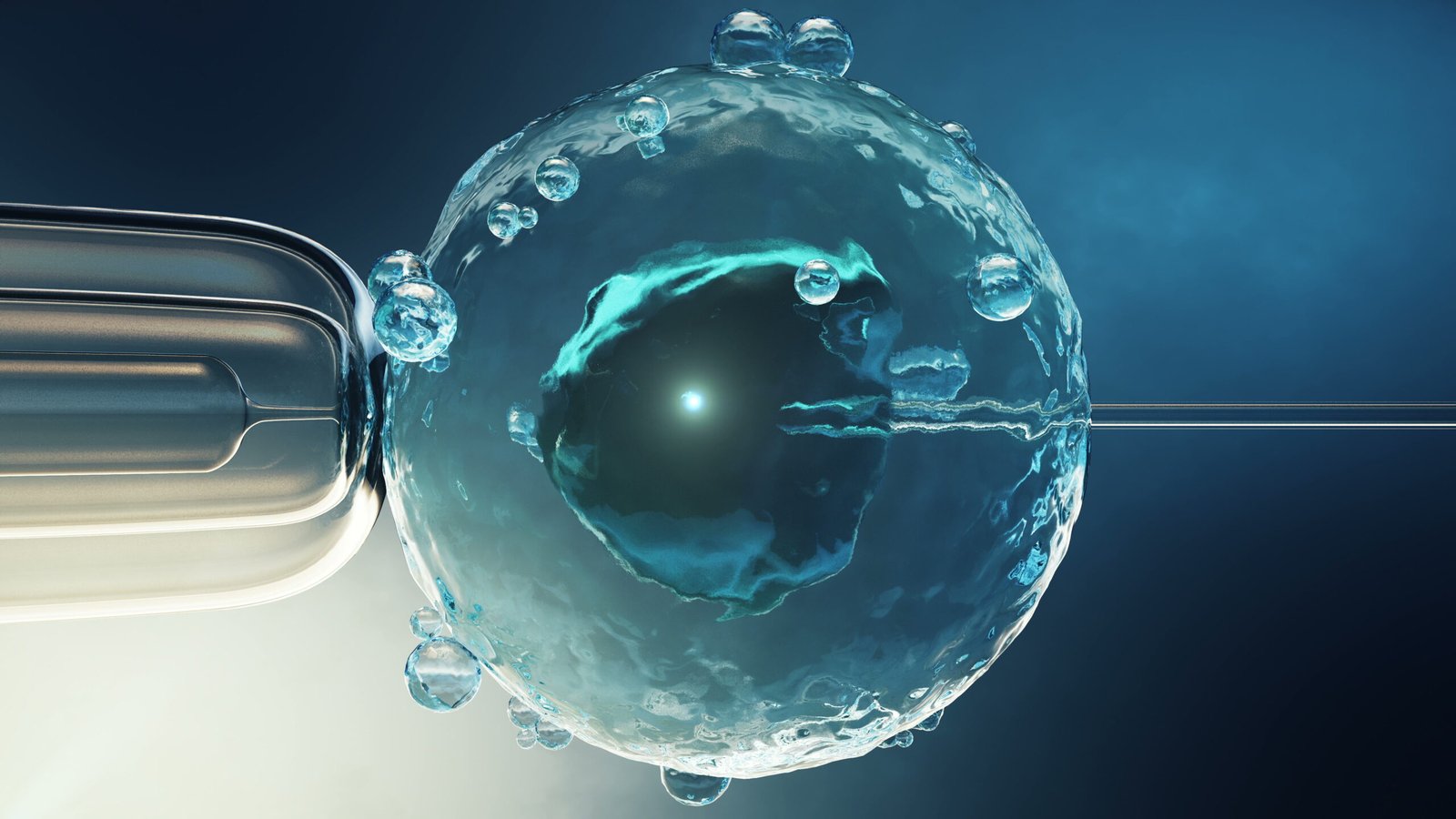
Laser-Assisted Hatching: What It Is and Whether It’s Right for Your IVF Cycle
In the world of IVF, a great deal of attention is paid to egg retrieval, fertilisation, and embryo transfer. But there is a step that happens just before implantation — one that is often overlooked in patient education — that can make a meaningful difference for specific groups of patients.

Unexplained Infertility and IVF: When Tests Are Normal but Pregnancy Isn’t Happening
You have been through every test. Your hormones are balanced, your fallopian tubes are open, your ovarian reserve is reassuring, and your partner’s semen analysis came back normal. And yet, month after month, pregnancy is not happening. The diagnosis — if it can even be called that — is “unexplained
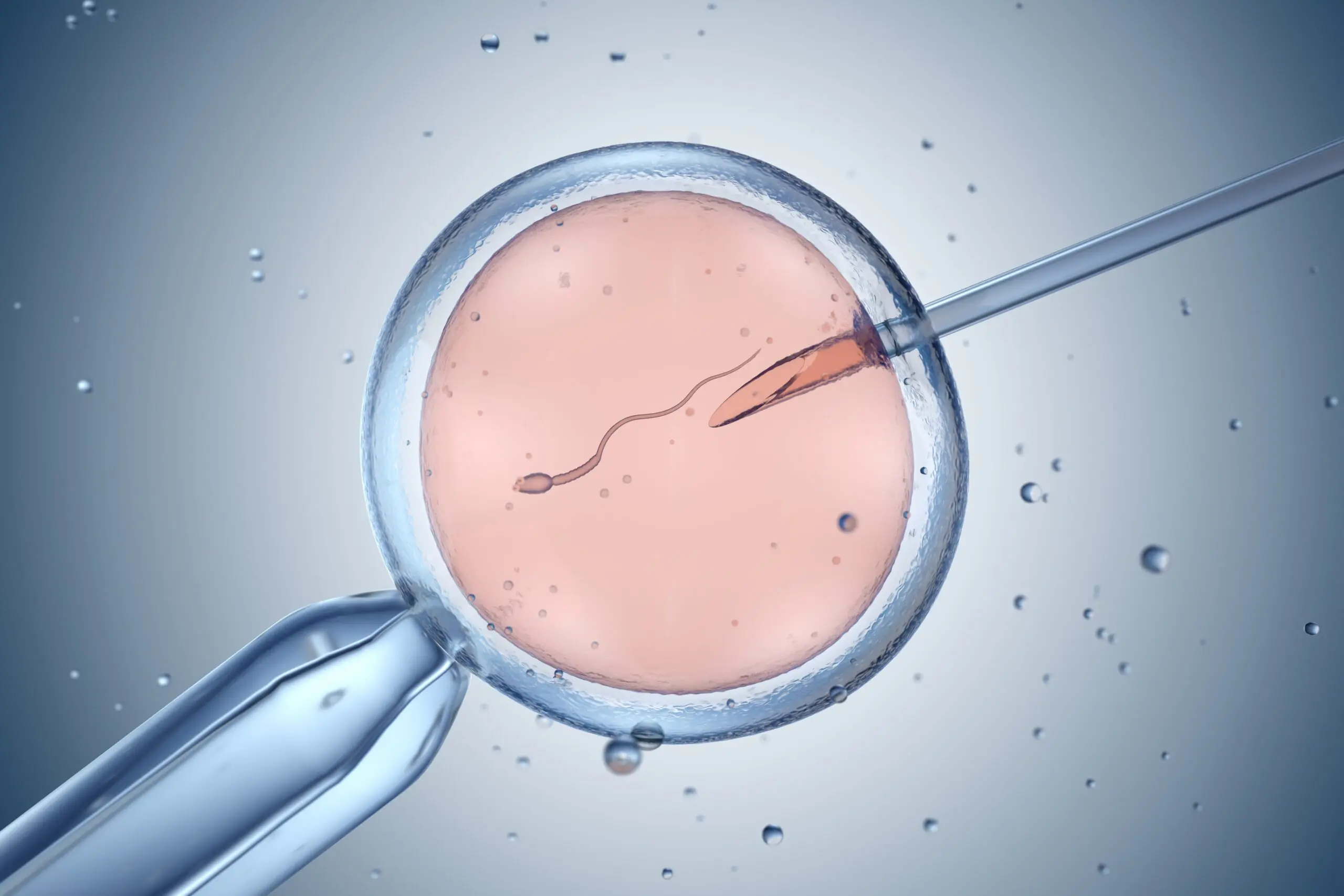
Donor IVF Explained: When Is It Recommended and What Should Couples Expect?
The decision to consider donor egg IVF is one of the most emotionally significant moments in a fertility journey. It involves letting go of something — the hope of a genetic connection — while simultaneously opening a door to something equally profound: the real possibility of becoming a parent. At
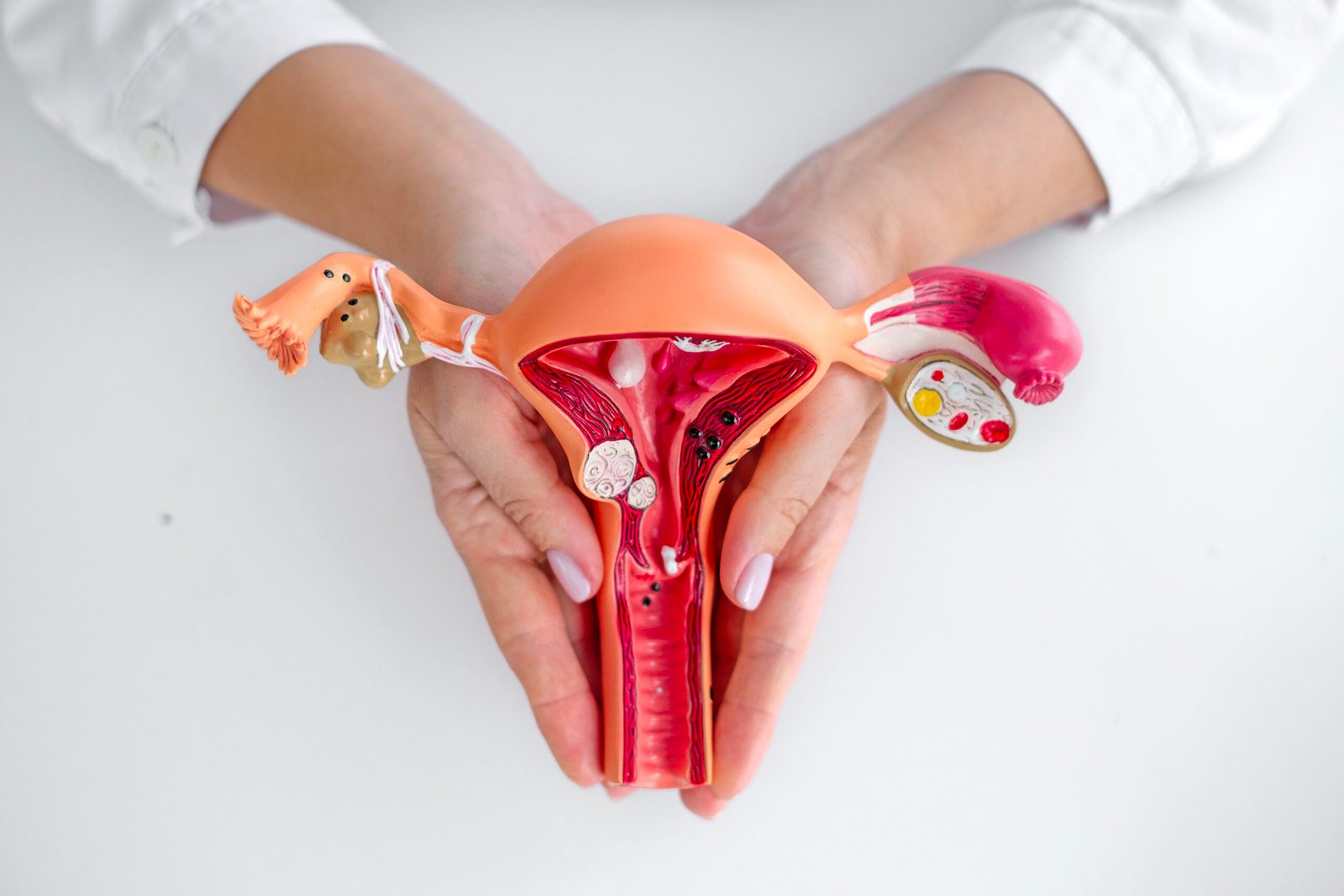
IVF with Endometriosis: Can It Work and What Are the Risks?
Endometriosis affects roughly 1 in 10 women of reproductive age, yet it takes an average of seven to ten years to diagnose. By the time many women arrive at a fertility clinic, they are not just dealing with the emotional weight of trying to conceive — they are also managing
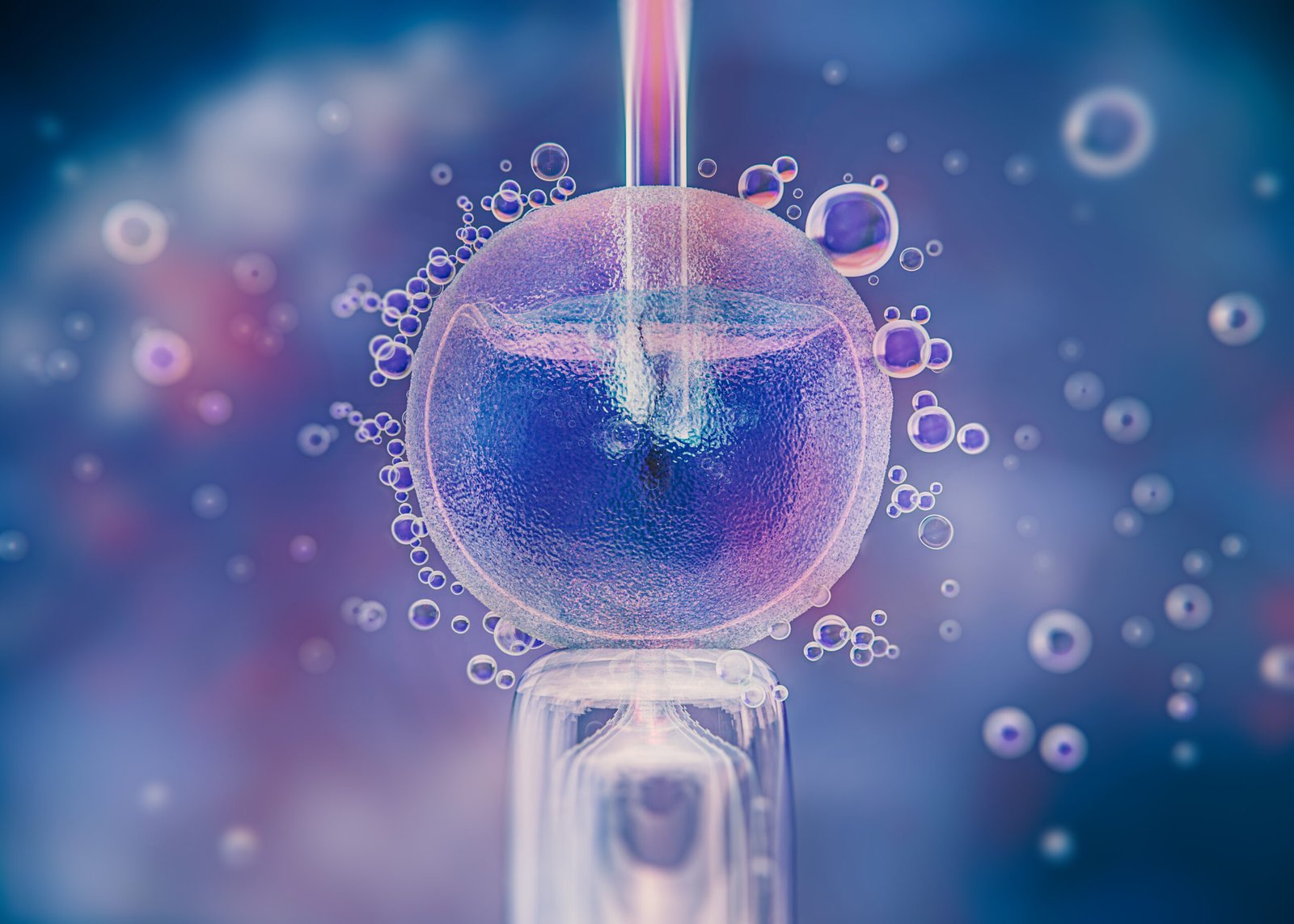
What Is Blastocyst Transfer? Why It May Improve Your IVF Success Rate
When you are going through IVF, every decision your embryology team makes matters — from the stimulation protocol to the day the embryo is transferred. One of the most significant of these decisions is whether to transfer an embryo at Day 3 (the cleavage stage) or Day 5 (the blastocyst

IVF for Men: Understanding Male Infertility and How TESA and PESA Can Help
When a couple is told they are struggling to conceive, the conversation almost always centres on the woman. Yet male factor infertility accounts for roughly 40 to 50 percent of all infertility cases. It is one of the most underdiagnosed and undertreated aspects of reproductive medicine — not because it

Can You Get Pregnant with Low AMH? What IVF Options Are Available
A blood test result with the letters “AMH” and a number that feels too low can stop a fertility journey in its tracks — or at least feel that way. Anti-Müllerian Hormone is one of the most misunderstood markers in reproductive medicine, and a low reading is one of the
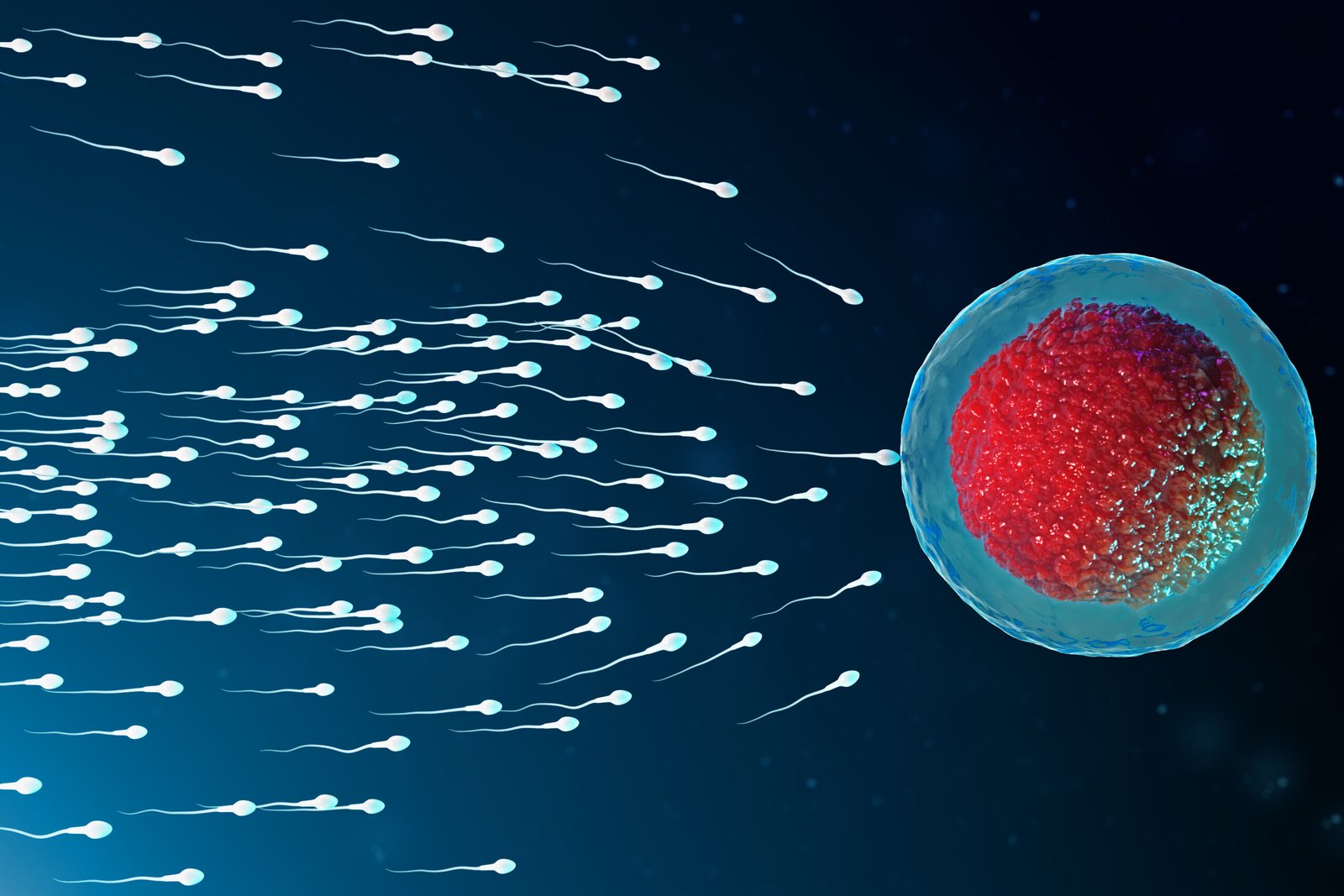
Sperm Freezing in India: Who Should Consider It and How It Works
Fertility preservation is a conversation that has historically centred on women — egg freezing timelines, AMH levels, the biological clock. But male fertility is equally time-sensitive, and equally subject to disruption from medical treatment, lifestyle, and circumstances. Sperm freezing (cryopreservation) is one of the most straightforward and effective forms of

Can PCOS Affect IVF Success? Everything You Need to Know Before Treatment
PCOS (Polycystic Ovary Syndrome) is the most common hormonal disorder in women of reproductive age, affecting an estimated 15 to 20 percent of Indian women. It is also the most common cause of anovulatory infertility — infertility caused by absent or irregular ovulation. If you have PCOS and are considering