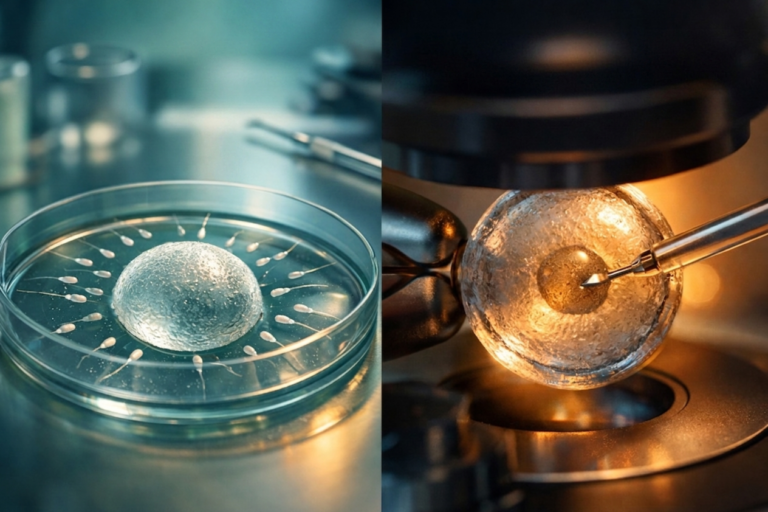
In the world of IVF, a great deal of attention is paid to egg retrieval, fertilisation, and embryo transfer. But there is a step that happens just before implantation — one that is often overlooked in patient education — that can make a meaningful difference for specific groups of patients. That step is hatching. For an embryo to implant in the uterine lining, it must break free from its outer shell, the zona pellucida. Laser-assisted hatching is a laboratory technique that helps this process along, and for the right patient, it may improve the chances of successful implantation. Here is what you need to know.
Key Takeaways
- Hatching is a natural step in implantation: Every embryo must hatch from its zona pellucida before it can attach to the uterine wall. Laser-assisted hatching helps embryos where this process may be impaired.
- It is not suitable for all IVF cycles: Laser-assisted hatching is most evidence-supported for specific clinical groups — recurrent IVF failure, thick zona, and frozen embryo transfers.
- The procedure is performed in the embryology lab: A precise laser beam creates a small opening in the zona pellucida a few hours before embryo transfer.
- It is one of several tools in Yellow IVF’s advanced embryology suite: Used as part of a tailored approach, it supports outcomes for the patients most likely to benefit.
What Is the Zona Pellucida and Why Does Hatching Matter?
The zona pellucida (ZP) is a glycoprotein shell that surrounds the egg from the time of ovulation and stays intact during fertilisation and early embryo development. It serves important protective functions: it prevents polyspermy (more than one sperm fertilising the egg), maintains the embryo’s structural integrity during culture, and provides a controlled environment for early cell division.
However, for the embryo to implant, it must escape this shell — a process called hatching, which typically occurs naturally on Day 5 to Day 6 after fertilisation. If the zona is unusually thick or hardened, or if the embryo’s own ability to break through is compromised, hatching may fail or be delayed — and implantation cannot occur.
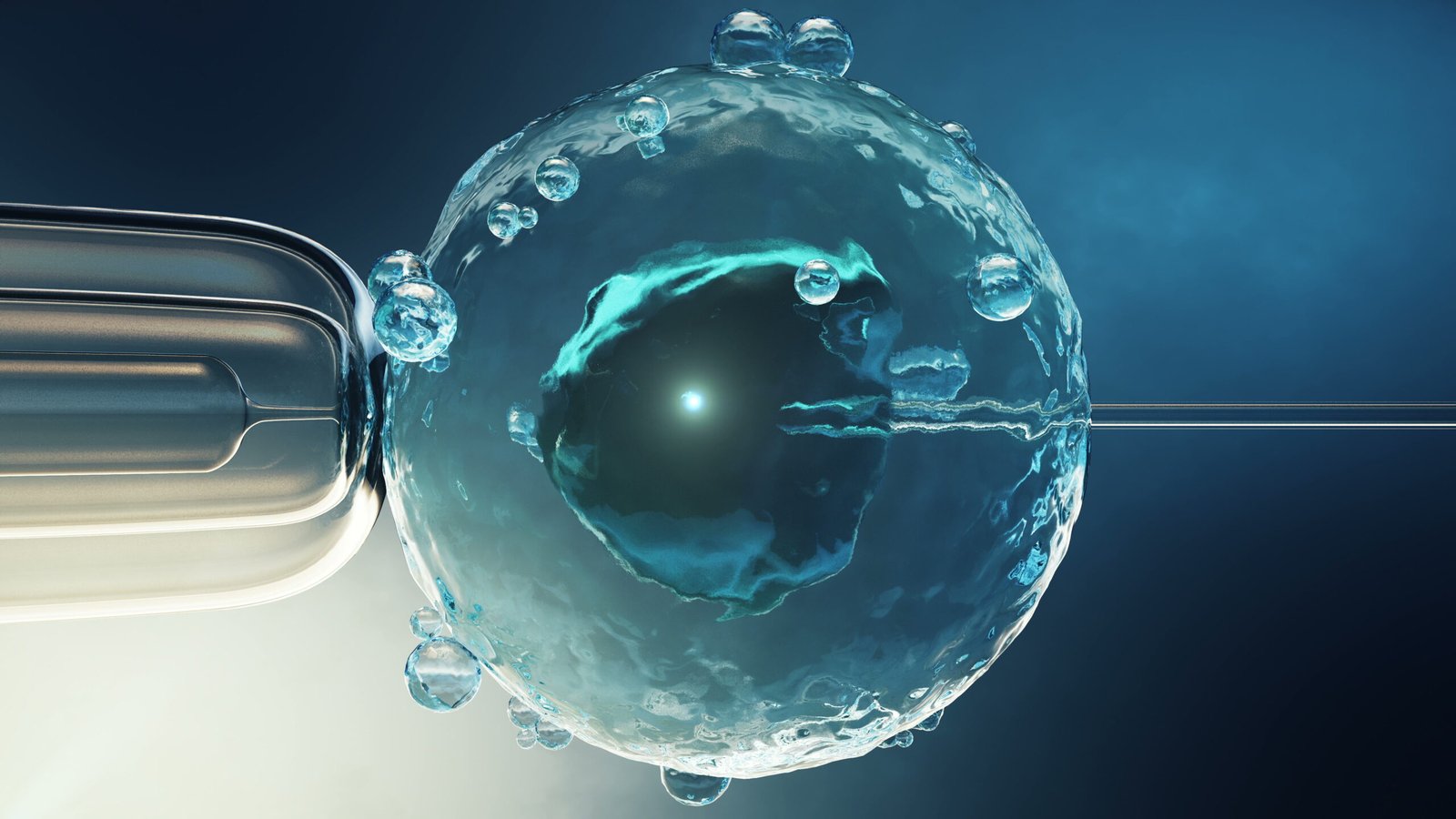
Laser-assisted hatching uses a highly controlled infrared laser to create a precise, small hole in the zona pellucida, facilitating the embryo’s exit from its shell and improving the conditions for implantation.
Who Is Laser-Assisted Hatching For?
Laser-assisted hatching is not a blanket addition to every IVF cycle. The evidence for its benefit is specific to certain patient groups, and your embryologist will advise whether it is appropriate based on your individual embryo characteristics and clinical history.
Groups Where It Is Most Commonly Recommended:
- Recurrent implantation failure (RIF): Patients who have had two or more IVF cycles with good quality embryos that have not implanted. When the cause of failure is unclear, assisted hatching may address a zona-related barrier.
- Thick zona pellucida: Some women naturally produce eggs with thicker-than-average zona shells. In embryo culture, the embryologist can identify this and recommend assisted hatching accordingly.
- Frozen embryo transfers (FET): Cryopreservation (freezing) and thawing can harden the zona pellucida. For this reason, laser-assisted hatching is routinely recommended for frozen embryo transfers at many clinics, including Yellow IVF.
- Advanced maternal age: Older eggs are more likely to have a thicker zona pellucida, which may impair spontaneous hatching.
- Poor embryo development: Embryos that have developed more slowly than expected or have higher fragmentation may benefit from assisted hatching to support their implantation attempt.
How Is Laser-Assisted Hatching Performed?
The procedure is performed entirely in the embryology laboratory, approximately 1 to 2 hours before embryo transfer. The process involves:
- Embryo placement: The embryo is placed on a specialised microscope stage under controlled conditions.
- Laser application: A brief, precisely controlled infrared laser pulse is directed at the zona pellucida. The laser creates a small, clean hole — typically 5 to 10 micrometres — in the outer shell without touching the cells of the embryo itself.
- Assessment: The embryologist confirms that the opening is appropriate in size and that the embryo is undamaged.
- Transfer: The embryo proceeds to transfer as normal.
The entire procedure takes only minutes and adds no observable discomfort to the patient — it happens in the lab while you are preparing for transfer. Modern laser systems are highly precise, and the risk of embryo damage is extremely low in experienced hands.
“After two transfers with no implantation, my embryologist suggested laser-assisted hatching for the third attempt. She explained that my embryo had a thicker zona on both previous cycles. Third cycle worked. I genuinely believe it made the difference.” — Nandita, 37, Delhi.
What Does the Evidence Say?
The evidence for laser-assisted hatching is nuanced. For the general IVF population — young women with normal embryos and no history of failure — the data does not show a consistent benefit, which is why it should not be applied universally. However, for the specific groups outlined above (recurrent failure, thick zona, FET cycles, older women), several studies and meta-analyses suggest meaningful improvement in implantation rates.
The most consistent finding is in frozen embryo transfer cycles, where zona hardening from cryopreservation is a reliable and addressable variable. This is why many centres — including Yellow IVF — include laser-assisted hatching as standard in their FET protocols.
| Patient Group | Evidence for Benefit | Yellow IVF Approach |
|---|---|---|
| Recurrent implantation failure | Good | Routinely recommended |
| Frozen embryo transfer (FET) | Good | Considered standard for FET |
| Thick zona pellucida identified | Good | Recommended on embryologist assessment |
| Advanced maternal age | Moderate | Discussed case by case |
| Young patients, first cycle, normal embryos | Limited | Not routinely applied |
How Does Laser-Assisted Hatching Fit into Yellow IVF’s Advanced Embryology Programme?
Yellow IVF’s embryology suite includes a range of advanced techniques that go beyond the standard IVF process — including blastocyst culture, ICSI, vitrification, and laser-assisted hatching. These tools are not applied universally to every patient. They are applied deliberately, based on the clinical picture of each individual — because adding complexity for its own sake does not improve outcomes. Adding the right technique for the right patient does.
Our embryology team will review your history, embryo morphology, and zona characteristics and make a clear recommendation about whether laser-assisted hatching is appropriate for your transfer. This conversation happens as part of your standard care — not as an upsell.
Conclusion: Precision Embryology Is About Matching the Tool to the Problem
Laser-assisted hatching is not a miracle solution, and it is not for everyone. But for patients with specific characteristics — recurrent failure, thick zona, FET cycles — it is a well-supported, low-risk addition to the embryo transfer process that may improve implantation outcomes. Understanding when and why it is recommended is part of being an informed participant in your own IVF care.
At Yellow IVF, we believe that the best outcomes come from applying the right technique at the right time for the right patient — not from adding procedures indiscriminately.
If you would like to discuss whether laser-assisted hatching may be relevant to your cycle,
book a consultation with our embryology team and let’s look at your case in detail.