Approximately 25% to 30% of all female infertility cases are caused by tubal factor issues, making it one of the most common hurdles on the path to parenthood. If you have been told your fallopian tubes are blocked, it can feel like a door has been slammed shut on your dreams. However, the medical reality in 2026 is far more optimistic than you might think.
The good news is that your fallopian tubes are essentially just a “bridge.” While they play a vital role in natural conception, modern science has developed a way to bypass this bridge entirely. At Yellow IVF, we believe that a diagnosis is not a dead end; it is simply a signal to change your route.
Key Takeaways
- IVF is the Gold Standard: In Vitro Fertilization was originally designed specifically to help women with tubal factor infertility.
- Bypassing the Blockage: IVF allows for conception by moving the fertilization process from the tubes to a controlled laboratory environment.
- High Success Rates: Women with blocked tubes often have excellent IVF success rates because the rest of their reproductive system is frequently healthy.
- Personalized Care Matters: Diagnostic tools like HSG and laparoscopy are essential to determine the best treatment plan for your specific situation.
Understanding Blocked Fallopian Tubes and IVF: Can You Still Get Pregnant?
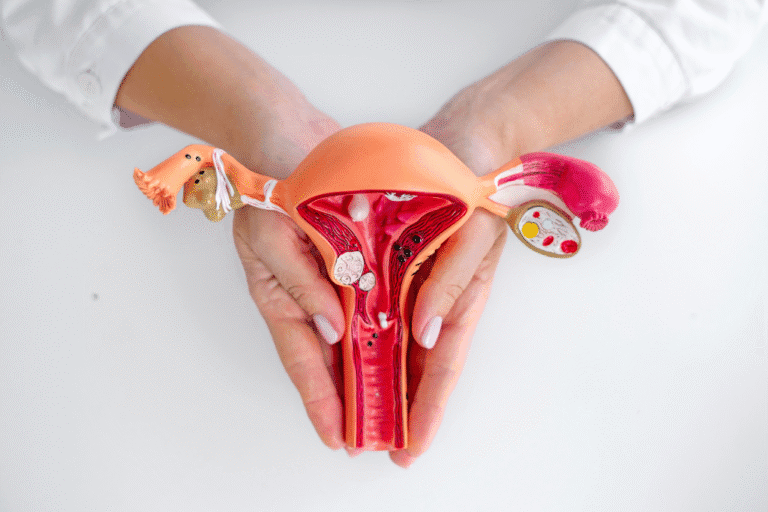
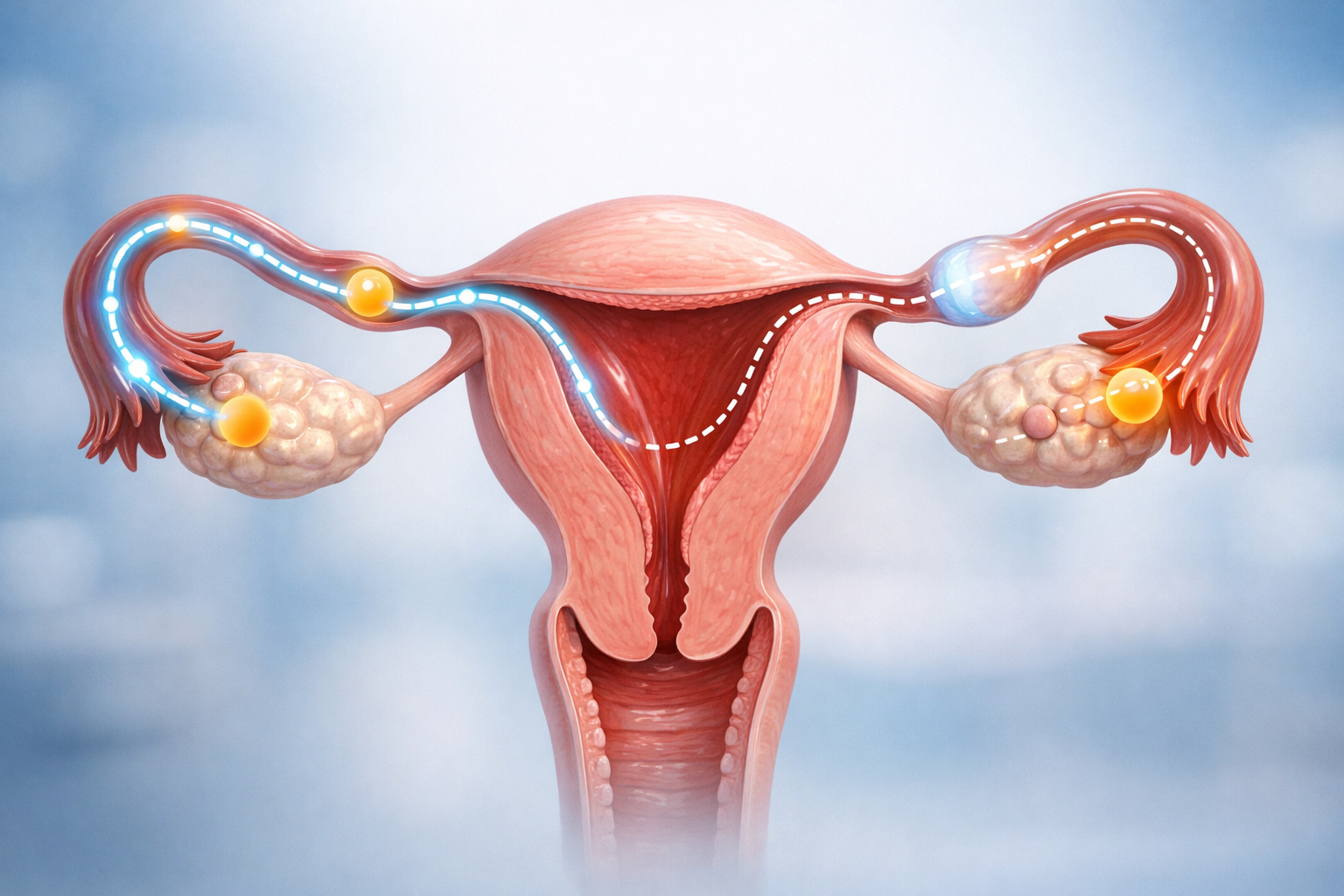
To understand how you can still conceive, let’s first look at why the tubes matter in a “typical” pregnancy. In a natural cycle, the fallopian tube is the meeting point where the egg and sperm connect. Once fertilized, the embryo travels down the tube to reach the uterus.
When the tubes are blocked—whether due to past infections, surgery, or conditions like endometriosis—the egg and sperm simply cannot meet. This is known as tubal factor infertility. You might be wondering if surgery to “unclog” the tubes is the best option. While laparoscopic surgery can sometimes repair minor damage, many couples find that IVF offers a much more direct and reliable path to success.

Common Causes of Tubal Blockage
We know this can feel overwhelming, but understanding the “why” is the first step toward the “how.” Common reasons for blockages include:
- Pelvic Inflammatory Disease (PID): Often the result of a previous infection.
- Endometriosis: Tissue growth that can cause scarring around the tubes.
- Previous Surgeries: Scar tissue from abdominal or pelvic operations.
- Hydrosalpinx: A specific type of blockage where the tube fills with fluid.
At our specialized centers for blocked tubes, we use advanced diagnostics to see exactly what is happening inside. If you have hydrosalpinx, for example, we might recommend addressing the fluid buildup before starting IVF to ensure the best possible environment for your future embryo.
How IVF Bypasses the Tubes to Make Parenthood Possible
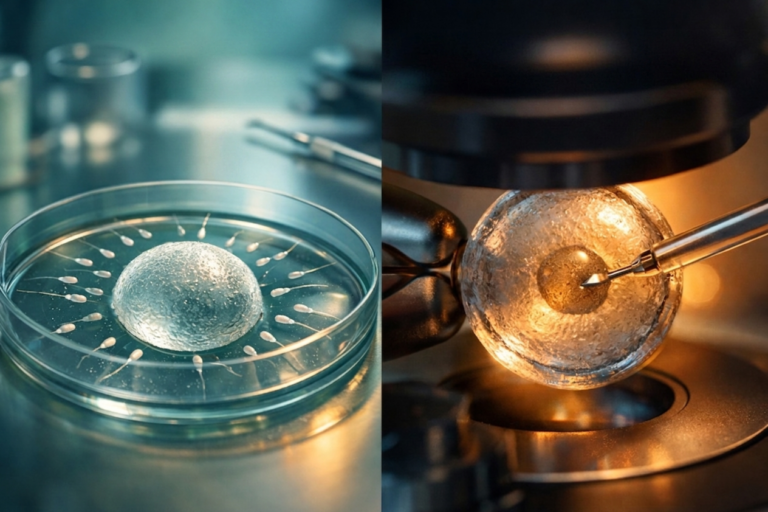
The most empowering thing to remember about Blocked Fallopian Tubes and IVF: Can You Still Get Pregnant? is that IVF was literally invented for this exact scenario. Because the procedure collects eggs directly from the ovaries and joins them with sperm in a lab, your fallopian tubes are no longer required for conception.
The IVF Journey, Step-by-Step
Let’s break this down into simple steps so you know exactly what to expect:
- Ovarian Stimulation: We use gentle medications to encourage your ovaries to produce several healthy eggs.
- Egg Retrieval: A quick, minimally invasive procedure to collect the eggs directly from the follicles.
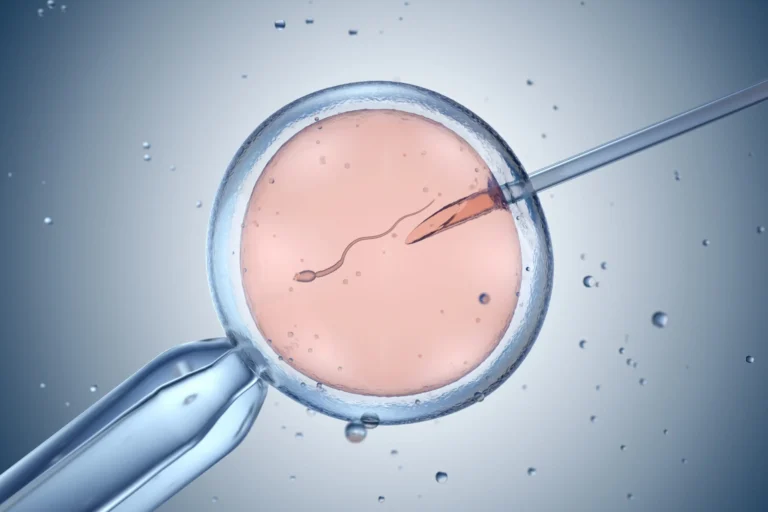
- Fertilization: Our embryologists combine the eggs and sperm in our state-of-the-art lab. In some cases, we use ICSI treatment to ensure the best chance of fertilization.
- Embryo Transfer: Once the embryo has developed (often reaching the blastocyst stage), it is placed directly into your uterus.
By placing the embryo directly into the womb, we skip the “bridge” entirely. This is why IVF is so effective for tubal issues. You aren’t just trying to fix a broken path; you are taking a high-speed shuttle to your destination.
Why Success Rates are High for Tubal Factor Infertility
Many couples ask about their chances. The truth is, if the only hurdle is a tubal blockage, your IVF success factors are often very high. Since your ovaries are likely producing healthy eggs and your uterus is ready to receive an embryo, the “mechanics” of the rest of the process usually work beautifully.
At Yellow IVF, we are proud of our 86%+ clinical success rate. We believe in transparency, which is why we offer the Yellow Contract—a guarantee that provides you with financial peace of mind while you focus on your emotional well-being.
Choosing the Right Path for Your Journey
We understand that every couple’s situation is unique. While IVF is a powerful solution, the first step is always a thorough consultation. Whether you are seeking the best IVF centre in Delhi or looking for expert fertility care in Kashmir, our team is here to provide evidence-based care in a judgment-free environment.
When should you see a specialist?
If you have been diagnosed with blocked tubes, or if you have been trying to conceive for over a year (or six months if you are over 35), it is time to talk to an expert. Don’t wait in uncertainty. A clear personalized treatment plan can turn “maybe” into “when.”
What to look for in a clinic:
- Advanced Technology: Ensure they use the latest embryology techniques.
- Transparent Pricing: No hidden costs or surprise fees.
- Compassionate Support: A team that listens to your fears and celebrates your wins.
We know this journey can feel long, but you’re not alone in this. Our state-of-the-art facilities across India are designed to make parenthood possible for everyone, regardless of the challenges they face.
Conclusion
The answer to “Blocked Fallopian Tubes and IVF: Can You Still Get Pregnant?” is a resounding yes. While a tubal blockage prevents natural conception, it does not prevent pregnancy through IVF. By bypassing the damaged tubes, we can help you achieve the family you’ve been dreaming of.
Your path to parenthood might look different than you originally imagined, but the destination remains the same. With the right expert guidance and compassionate support at every step, those blocked tubes are just a small chapter in your much larger success story.
Ready to take the next step? Book a consultation with our experts today and let’s start building your personalized plan together.