Recent medical data indicates that nearly 50% of all infertility cases involve a male factor, yet many couples still feel they are navigating this challenge alone. When natural conception feels out of reach, the science of Assisted Reproductive Technology (ART) offers two primary paths: Conventional IVF and Intracytoplasmic Sperm Injection (ICSI). While both methods aim for the same beautiful result—a healthy baby—the journey of the sperm to the egg differs significantly between them. Understanding the nuances of ICSI vs Conventional IVF: Which Is Better for Male Factor Infertility? is the first step in reclaiming your path to parenthood.
Key Takeaways
- Precision Matters: ICSI is specifically designed for male factor issues, as it bypasses the need for sperm to swim to and penetrate the egg on its own.
- The Selection Process: In ICSI, an embryologist hand-selects the healthiest-looking sperm, whereas Conventional IVF relies on natural “survival of the fittest.”
- Success Rates: For couples facing severe male infertility, ICSI often yields significantly higher fertilization rates than conventional methods.
- Personalized Care: Neither method is “universal”; the best choice depends on your unique male infertility causes and treatments identified during your diagnostic workup.
Understanding the Basics: How Each Method Works
To choose the right treatment, let’s break down the technical differences into simple terms. In Conventional IVF, we place your retrieved eggs in a laboratory dish alongside thousands of prepared sperm. We then leave them overnight in a specialized incubator, allowing the sperm to naturally compete to penetrate the egg. It is a “natural” meeting in a controlled environment.
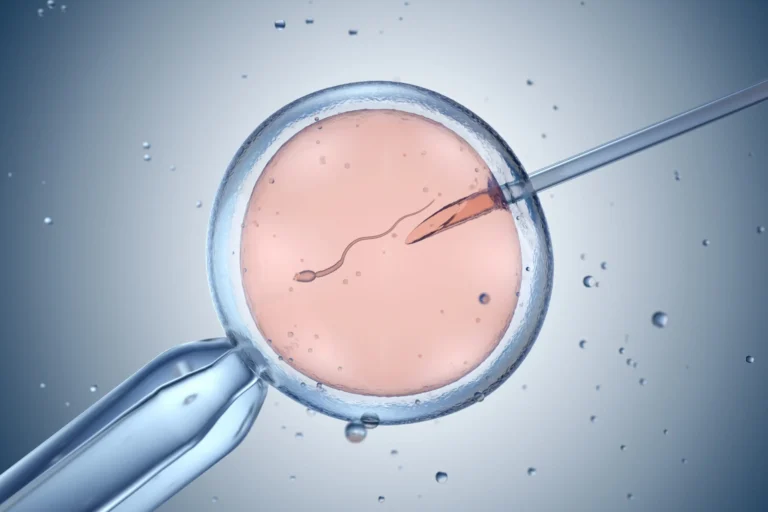
In contrast, ICSI (Intracytoplasmic Sperm Injection) is a much more specialized procedure. Instead of leaving the fertilization to chance, our expert embryologists use state-of-the-art micromanipulation tools. We pick up a single, high-quality sperm cell and inject it directly into the center of the mature egg. This removes the obstacles of sperm travel and egg-wall penetration entirely.

Comparing the Procedures at a Glance
| Feature | Conventional IVF | ICSI Treatment |
|---|---|---|
| Sperm Required | ~50,000 to 100,000 per egg | Exactly 1 sperm per egg |
| Fertilization Style | Natural “meeting” in a dish | Direct manual injection |
| Best For | Tubal issues, unexplained infertility | Low sperm count, poor motility |
| Complexity | Standard laboratory process | Advanced micromanipulation |
ICSI vs Conventional IVF: Which Is Better for Male Factor Infertility?
When we look at ICSI vs Conventional IVF: Which Is Better for Male Factor Infertility?, the answer almost always leans toward ICSI if the sperm parameters are significantly below average. If you have been diagnosed with low sperm count (oligospermia), poor movement (asthenospermia), or abnormally shaped sperm (teratospermia), Conventional IVF might result in a “total fertilization failure”—where none of the eggs become embryos.
The good news is that ICSI fertility treatment was specifically created to solve these hurdles. By selecting the most viable sperm and placing it where it needs to be, we give your embryos the best possible start.
When ICSI is the Recommended Choice
Many couples ask us, “When is ICSI absolutely necessary?” We typically recommend this advanced path in the following scenarios:
- Very Low Sperm Count: When there aren’t enough healthy sperm to guarantee a “meeting” in the dish.
- Sperm Motility Issues: If the sperm struggle to swim or lack the energy to break through the egg’s outer layer.
- Previous IVF Failure: If you have tried Conventional IVF before and experienced low or no fertilization.
- Surgical Sperm Retrieval: For men who require a Micro TESE procedure to collect sperm directly from the testes.
- Using Frozen Sperm: Frozen sperm can sometimes be less motile upon thawing, making ICSI a safer bet.
We understand that hearing these medical terms can feel overwhelming. However, please know that these technologies are here to empower you, not to define your journey.
Success Rates and Outcomes in 2026
When evaluating ICSI vs Conventional IVF: Which Is Better for Male Factor Infertility?, success is measured by two things: fertilization rates and healthy live births. In 2026, the fertilization rate for ICSI typically ranges between 70% and 80%. This means that out of 10 mature eggs injected, 7 to 8 usually fertilize successfully.
It is important to remember that fertilization is just the first step. Once the embryo is created, factors like the woman’s age and egg quality become vital. To give your journey the highest chance of success, we often recommend a blastocyst culture procedure, which allows embryos to grow for five days in the lab, helping us select the strongest ones for transfer.
Is ICSI Always Better?
While ICSI is a miracle for male factor infertility, it isn’t always “better” for every couple. If sperm parameters are completely normal, studies show that ICSI does not necessarily increase the chances of a live birth compared to Conventional IVF. Our goal at Yellow IVF is always evidence-based care—we only recommend the level of intervention you actually need to achieve your dream.
Financial Transparency and Your Choices
We know that the cost of IVF treatment is a significant consideration for families in Delhi, Gurgaon, and beyond. ICSI generally carries an additional cost compared to Conventional IVF because it requires specialized equipment and the focused time of a senior embryologist.
At Yellow IVF, we believe in transparent pricing with no hidden costs. Through our Yellow Contract, we offer guaranteed plans that help you manage the financial side of your journey with peace of mind. We want you to focus on your health and your future family, not on unexpected bills. You are not alone in this; we are here to help you navigate both the medical and financial aspects of your treatment plan.
“Choosing between IVF and ICSI isn’t about which technology is ‘superior’ in a vacuum—it’s about which technology bridges the specific gap in your unique fertility profile.” — Dr. Sonu Taxak, Yellow IVF Specialist
Next Steps on Your Path to Parenthood
Deciding on the right treatment is a deeply personal process, but you don’t have to make it in the dark. If you have been struggling to conceive, a comprehensive male infertility treatment workup is the best place to start.
Here is what you can do next:
- Schedule a Semen Analysis: This simple test provides the data we need to see if ICSI is the right fit for you.
- Consult an Expert: Speak with an IVF specialist in Gurgaon or your nearest Yellow IVF center to review your history.
- Review Your Options: Ask about our personalized treatment plans and the Yellow Contract guarantee.
Conclusion
When comparing ICSI vs Conventional IVF: Which Is Better for Male Factor Infertility?, the evidence clearly points toward ICSI as the gold standard for overcoming sperm-related challenges. While Conventional IVF remains a beautiful, effective option for many, ICSI provides the extra precision needed when the “swimmers” need a helping hand.
At Yellow IVF, we combine this clinical excellence with compassionate support at every step. Whether you are visiting us in Delhi, Kolkata, or Srinagar, our mission remains the same: making parenthood possible through honest, expert guidance and state-of-the-art technology. Your path to parenthood may have had some hurdles, but the good news is that with the right treatment plan, your dream of holding your baby is closer than you think.